As the days shorten and temperatures drop, many people find themselves dealing with more than just the cold. Perhaps you’re feeling low on energy, struggling to stay motivated, or noticing mood shifts and sluggishness more than usual. These symptoms may simply feel like “winter fatigue,” but they can also signal how seasonal changes impact your hormones—and how targeted hormone support may help.
Why winter causes fatigue in the first place
First, it’s helpful to understand what’s going on with your body during the colder months.
Shorter daylight and less sunlight mean less stimulation of your body’s internal “clock” (circadian rhythm). This can disrupt hormones like Melatonin and Serotonin—melatonin (sleep hormone) tends to increase in darkness, while serotonin (a mood-regulating and alertness-related hormone) drops.
These changes can cause sleep timing, sleep quality and waking energy to shift, contributing to fatigue, brain fog or low motivation.
Colder weather often leads to decreased physical activity, altered diet and higher stress—which all affect hormone balance (including cortisol, thyroid hormones, sex hormones).
So what we often call “winter fatigue” isn’t just about being cold or having the “winter blues”—it can reflect deeper hormone shifts.
The role of hormone balance in maintaining energy
Hormones are chemical messengers that regulate everything from your metabolism and sleep cycle to mood, muscle mass, and motivation. When key hormones fall out of balance, you might notice:
- Low energy levels
- Difficulty waking up or staying alert
- Mood dips or irritability
- Sluggish workouts or slower recovery
- Decreased muscle tone or motivation to move
In winter, the effects can be magnified because your baseline is already challenged by reduced light, colder weather and changed routines.
How hormone therapy may help — what to know
When you’re working with a clinic like One Life Wellness Clinic, hormone therapy doesn’t mean a “one size fits all” approach. It means assessing your individual hormonal profile, lifestyle, seasonal needs—and then applying evidence-based support. Here are ways hormone therapy (alongside lifestyle care) may help combat winter fatigue:
- Addressing low sex hormones
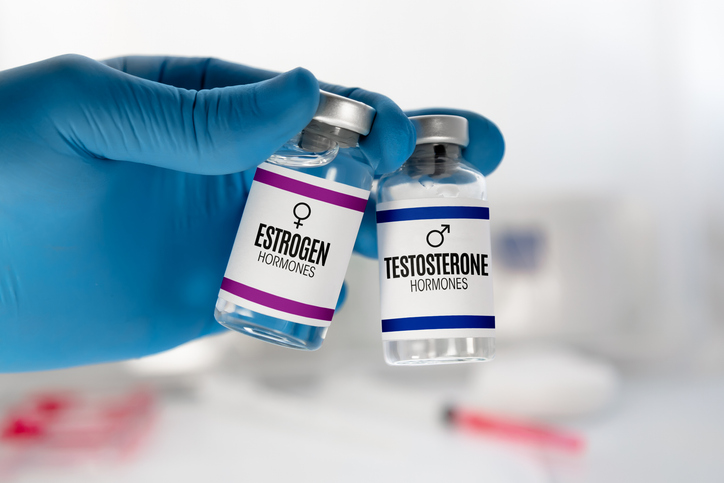
Both testosterone (in men and women) and estrogen/progesterone (in women) play roles in energy, muscle tone, mood and sleep. Some research indicates that winter can affect testosterone and estrogen levels through reduced activity and increased stress.
If testing reveals a deficiency or imbalance, hormone therapy (in the form of bio-identical or optimized hormones) may help restore balance, improve energy, motivation, mood and support lean muscle mass.
At the same time, it’s important to use hormone therapy under the supervision of a qualified clinician, with appropriate labs, dosing and monitoring.
- Supporting thyroid hormones
Your thyroid gland regulates your metabolism and energy output, and when it slows down (which can happen via cold exposure, less activity or nutrient deficiencies in winter), fatigue can follow.
The stress hormone cortisol may also rise in winter because of physiological stressors (cold, darkness, schedule disruption) and can suppress other hormones.
Hormone therapy programs can include optimized thyroid support and lifestyle prescriptions (sleep, light exposure, nutrition, movement) that work alongside hormones.
- Improving sleep-wake and circadian rhythm support
Because melatonin and serotonin are influenced by daylight and darkness, disruptions in winter lead to poor sleep quality or excessive sleepiness.
Hormone therapy doesn’t typically “prescribe” melatonin directly (that’s more sleep hygiene), but by better balancing sex hormones and thyroid hormones, sleep and wake cycles improve.
When sleep improves, energy levels increase, and that supports the overall effect of hormone support.
Realistic expectations & safety
It’s important to approach hormone therapy with realistic expectations and awareness:
- Hormone therapy is not a magic fix for “winter tiredness” alone—it works best when paired with lifestyle strategies (sleep, light, activity, nutrition).
- Hormone therapy requires lab testing, individualized dosing, monitoring for side-effects and adjusting over time.
- Not everyone will need hormone therapy. Some people can restore balance with lifestyle alone; hormone therapy is for those whose labs and symptoms support it.
- There are potential risks (depending on the hormone, route of administration, individual health profile) — so working with a qualified provider is key.
Wintersmart lifestyle & clinic-enhanced support
To get ready for the season and support any hormone therapy you might be doing, here are key habits:
- Light exposure: Try getting outside during daylight hours, especially morning sun. If outdoor light isn’t enough, consider light-therapy lamps.
- Sleep schedule: Go to bed and wake at consistent times, dim electronics before bed, aim for 7–8 hours of quality sleep.
- Stay active: Even short daily movement—walks, strength training, mobility work—can support hormone balance (especially testosterone, thyroid).
- Support nutrition: Ensure adequate omega-3s, magnesium and protein intake. Diet greatly affects hormonal health.
- Reduce stress: Prioritize stress management (meditation, breath work, enjoyable hobbies) since cortisol imbalance can suppress other hormones.
- Clinic support: At One Life Wellness Clinic, you can pair hormone testing (sex hormones, thyroid) with a personalized plan—hormone therapy when indicated + lifestyle coaching.
How One Life Wellness Clinic helps you thrive through winter
At One Life, we understand that winter fatigue isn’t simply a seasonal mood—it may reflect underlying hormonal imbalance amplified by seasonal stressors. Our approach:
- Comprehensive hormone panel (including sex hormones and thyroid)
- Individualized treatment plan based on your labs + symptoms
- Hormone therapy when appropriate (monitored, tailored)
- Integrated lifestyle support (sleep & circadian health, nutrition, light exposure, movement)
- Ongoing monitoring and adjustment (because hormones change with seasons)
Don’t let the winter doldrums become your “normal.” If you’re noticing persistent fatigue, low motivation, sleep issues or mood shifts as the days get shorter, it’s worth exploring whether hormone imbalance may be contributing—and whether hormone therapy, when properly managed, can help you regain energy and clarity.
If you’d like to schedule a consultation at One Life Wellness Clinic to assess your hormones and create your winter-wellness plan, we’re here for you. Let’s help you feel like your best self—no matter the season.